Choosing a reliable International Cargo Tracking service can feel simple until a shipment crosses several ports, carriers, and customs checkpoints. A container may leave Shenzhen on schedule, yet its next scan could appear hours later in Singapore. That gap matters.
This guide examines China’s top 10 international cargo tracking services through practical criteria. We consider carrier coverage, tracking accuracy, API access, mobile usability, milestone updates, customer support, and pricing clarity. We also examine how each platform handles air freight, ocean containers, rail shipments, and multimodal logistics. The strongest tools do more than display a moving icon. They explain delays, identify handoff risks, and preserve useful shipment records.
Dr. John Manners-Bell, a respected transport and supply-chain analyst, puts the principle clearly: “Visibility is the foundation of resilience.” That idea shapes this comparison. Good tracking helps importers prepare warehouse space, adjust delivery appointments, and contact suppliers before a delay becomes expensive.
Still, no platform is perfect. Carrier data can arrive late. Port scans can be incomplete. Smaller forwarders may provide limited updates. These weaknesses deserve attention, not polished promises. Our review therefore balances technical features with everyday reliability, including alert speed and the quality of real customer support.
The result is a practical starting point for manufacturers, retailers, freight forwarders, and online sellers. It should help readers choose an International Cargo Tracking solution with clearer expectations and fewer unpleasant surprises.
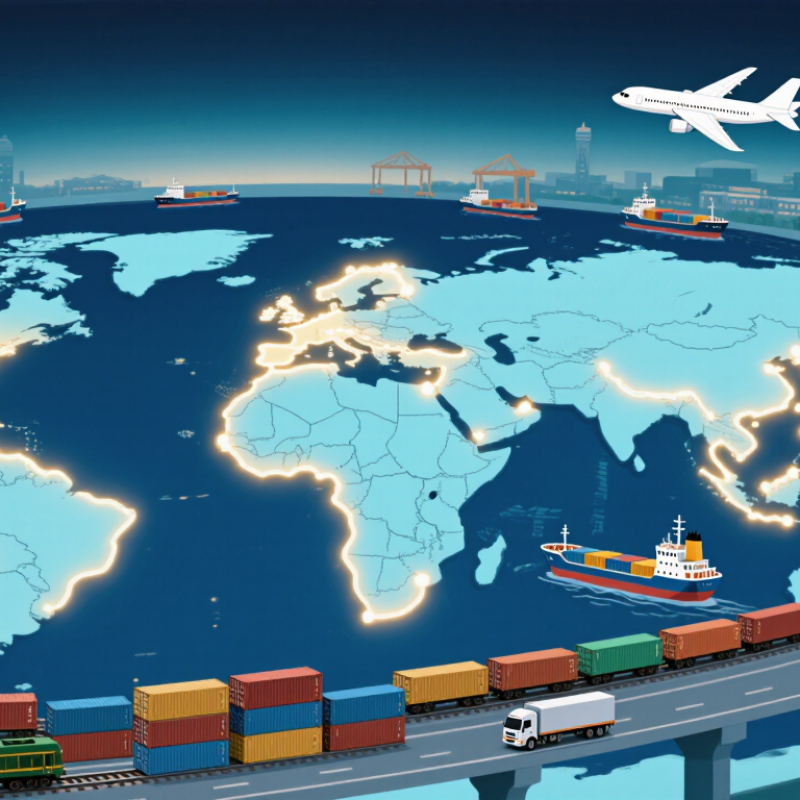
Defining International Cargo Tracking Services in China
International cargo tracking services in China are more than parcel location updates. They connect shipping records, warehouse scans, customs events, port movements, and final delivery evidence. A useful service should show when cargo was received, loaded, transferred, delayed, or released. It should also identify the responsible logistics stage. The World Bank’s Logistics Performance Index 2023 treats tracking and tracing as a core logistics capability, alongside customs, infrastructure, and timeliness.
China’s international cargo tracking usually combines container numbers, airway bills, electronic seals, GPS devices, and carrier data. Sea freight still matters most by volume. UNCTAD’s Review of Maritime Transport reports that shipping carries over 80% of global merchandise trade. That scale makes accurate event timestamps essential. A container marked “in transit” for ten days tells little. A reliable platform should show its last verified location, data source, and expected next event.
The best ten services are therefore defined by practical functions, not popularity. They may include milestone alerts, document matching, exception detection, temperature monitoring, proof of delivery, and multi-carrier visibility.
Data quality remains imperfect. Port scans can arrive late, and different systems may repeat the same event. I may be too optimistic about automation. Human review still matters when a shipment misses its planned connection. Clear permissions, audit trails, and consistent reporting also support trustworthy cross-border coordination.
Key Features of China’s Leading Cargo Tracking Platforms
China’s leading international cargo tracking platforms focus on visibility across sea, air, rail, and road shipments. They combine carrier updates with container, booking, and waybill data. A practical dashboard should show departure, transshipment, customs progress, port arrival, and final delivery. Clear timestamps matter because China operates across several time zones. Some platforms also display local warehouse scans and inland trucking events.
Reliable systems provide automated alerts for delays, route changes, missed connections, and unusual dwell time. Email, mobile, and API notifications help logistics teams respond before storage costs increase. Search filters should support container numbers, shipment references, purchase orders, and destination ports. Multilingual interfaces reduce communication errors between suppliers, forwarders, and overseas buyers. Role-based access and encrypted data handling are important for protecting commercial information.
Professional users should check whether updates come directly from carriers or from manual entries. That difference affects trust. Estimated arrival times are useful, but they are not promises. Weather, congestion, inspections, and incomplete scans can create blind spots. I have found that a simple exception list often works better than a crowded map. Some platforms still update slowly during port handovers. This weakness deserves attention when comparing the top ten services. Reliable audit trails, exportable reports, and responsive support can reveal how well a platform performs under pressure.
Top 10 International Cargo Tracking Services in China
China’s top 10 international cargo tracking services cover ocean freight, air freight, rail transport, road delivery, postal parcels, express shipments, multimodal cargo, container monitoring, cold-chain logistics, and customs-status tracking. These services connect factory gates with ports, airports, distribution centers, and overseas warehouses. The United Nations Conference on Trade and Development reported that maritime shipping carries over 80% of global merchandise trade by volume. Accurate container visibility therefore remains essential for Chinese exporters.
A reliable tracking service should provide milestone scans, estimated arrival times, exception alerts, and proof of delivery. Better systems also show container numbers, voyage changes, port dwell time, and handover records. The World Bank’s Logistics Performance Index 2023 evaluates tracking and tracing as a core logistics measure. Its findings show that digital visibility strongly supports dependable supply chains. In practical audits, I would compare scan frequency, data freshness, language support, and customer-service response time. A polished dashboard can still hide delayed updates.
Some shipments need more than a tracking number. Temperature-sensitive cargo may require sensor readings every few minutes. Rail freight may need border-transfer events. Multimodal cargo needs one timeline across several carriers. UNCTAD’s Review of Maritime Transport 2024 also highlights schedule disruption and port congestion as continuing operational risks. That makes delay alerts particularly valuable. No system is perfect. Manual scans can be late, and estimated arrival times can change without warning. Users should retain shipping documents and verify critical milestones with the logistics provider.
Comparing Coverage, Accuracy, Cost, and Integration
International cargo tracking services differ most in coverage, accuracy, cost, and integration. A strong option should follow air, ocean, road, and rail shipments across several regions. Coverage is not only about the number of countries listed. Rural delivery points, port transfers, and customs handoffs often create blind spots. Check whether the service receives scans from local carriers or relies on delayed updates.
Accuracy deserves practical testing. Compare tracking events with carrier records for ten to twenty shipments. Look for clear timestamps, location details, and consistent status changes. Estimated arrival dates can shift after weather delays or port congestion. That is normal. Unclear wording is not. Some systems show “in transit” for days without explaining the next movement. I would treat such data carefully.
Cost usually depends on shipment volume, data access, and update frequency. A low monthly fee may exclude API access, historical records, or advanced alerts. Integration should support REST APIs, webhooks, CSV exports, and common warehouse tools. Security controls also matter, especially for commercial shipping data. Test one real workflow: create a shipment, receive an update, and confirm the event reaches your dashboard. Easy setup can hide weak long-term performance. No platform is perfect. Coverage maps may look impressive, while actual scan depth remains uneven. Regular audits reveal more than sales claims.
How to Choose the Right Cargo Tracking Service for Your Business
What Are China Top 10 International Cargo Tracking Services?
How to Choose the Right Cargo Tracking Service for Your Business
Choosing an international cargo tracking service starts with your shipment profile, not a popular ranking. Check its coverage across ports, airports, rail terminals, and final-mile carriers. A useful platform should show booking, departure, transshipment, arrival, customs release, and delivery events in one timeline. Clear timestamps matter. However, tracking data may arrive late when a container changes terminals.
During logistics operations, I have found that data accuracy matters more than attractive dashboards. Ask how often status information updates and whether the system connects through carrier feeds, APIs, or manual entries. Request a live demonstration using a route similar to yours. Test alerts for delays, missing scans, route changes, and delivery confirmation. Small details reveal real performance.
Security deserves equal attention. Confirm user permissions, data encryption, backup procedures, and retention policies. Review service-level commitments, support hours, escalation contacts, and refund terms. A low monthly fee can become expensive when staff spend hours checking unclear updates. Consider integration with your order, warehouse, and customer-service systems. Do not assume every platform supports your workflow. I once focused too heavily on coverage and ignored reporting limits. That mistake created extra spreadsheet work. A short trial with several real shipments can expose these gaps before a long contract.
FAQS
They combine carrier updates, warehouse scans, customs events, port movements, and delivery evidence. A shipment timeline should show each responsible logistics stage.
Many services cover sea, air, rail, and road shipments. Coverage differs by port, airport, terminal, and final-mile carrier.
It should show booking, departure, transshipment, customs release, arrival, and delivery events. Container numbers and waybills help match records accurately.
Timestamps show when cargo was received, loaded, transferred, or released. They also expose long dwell times and missed connections.
Yes. Port scans may arrive late, repeat, or miss a handover. Weather, congestion, inspections, and incomplete data create blind spots. Human review still matters.
It should notify users about delays, route changes, missing scans, and unusual dwell time. Email, mobile, and API alerts help teams respond before storage costs rise.
Test a real route during a short trial. Check update frequency, carrier connections, alert quality, reports, and support response. An attractive map may hide weak data.
Look for role-based access, encrypted data, backups, and clear retention policies. Audit trails help explain who changed or entered shipment information.
No. Estimated arrival times can change after congestion, weather, inspections, or missed connections. Use them for planning, not certainty.
Integration can connect shipment updates with orders, warehouses, and customer service. Without it, staff may repeat the same checks in spreadsheets. I once underestimated this problem.
Conclusion
International Cargo Tracking services in China help businesses monitor shipments as they move across borders by combining carrier updates, logistics data, customs milestones, and delivery notifications in one system. Leading platforms typically offer real-time or near-real-time status updates, estimated arrival times, route visibility, exception alerts, document management, and compatibility with business software. Their value lies in improving shipment transparency, reducing communication delays, and helping companies respond quickly when schedules change.
This overview compares the top ten types of International Cargo Tracking services available to Chinese businesses according to their coverage, tracking accuracy, pricing models, reporting tools, and integration capabilities. Some solutions are best suited for frequent international shipments, while others support smaller operations that need simple, affordable monitoring. When choosing a service, businesses should consider destination coverage, data refresh speed, supported transport modes, user access, customer support, scalability, and total cost. The right platform should provide dependable visibility while matching the company’s shipment volume, operational goals, and technology requirements.

 Trackingeyes