In today’s fast-paced global market, "Logistics Visibility" has emerged as a crucial factor for buyers. A study by Gartner indicates that companies with high logistics visibility can reduce costs by up to 25%. Furthermore, over 70% of supply chain professionals acknowledge that real-time tracking enhances operational efficiency. As competition intensifies, buyers require transparency to make informed decisions.
Effective logistics visibility provides insights into every stage of the supply chain, from manufacturing to delivery. This clarity enables businesses to identify potential delays and implement corrective actions immediately. According to a McKinsey report, companies that leverage logistics visibility can improve their delivery accuracy by 30%. However, the challenge remains in integrating new technologies with existing systems.
Moreover, achieving full visibility can be technically complex and resource-intensive. Some companies struggle to adopt the necessary tools, leading to gaps in tracking processes. Therefore, while logistics visibility offers significant advantages, it is also essential for businesses to recognize the operational hurdles they may encounter in implementation.
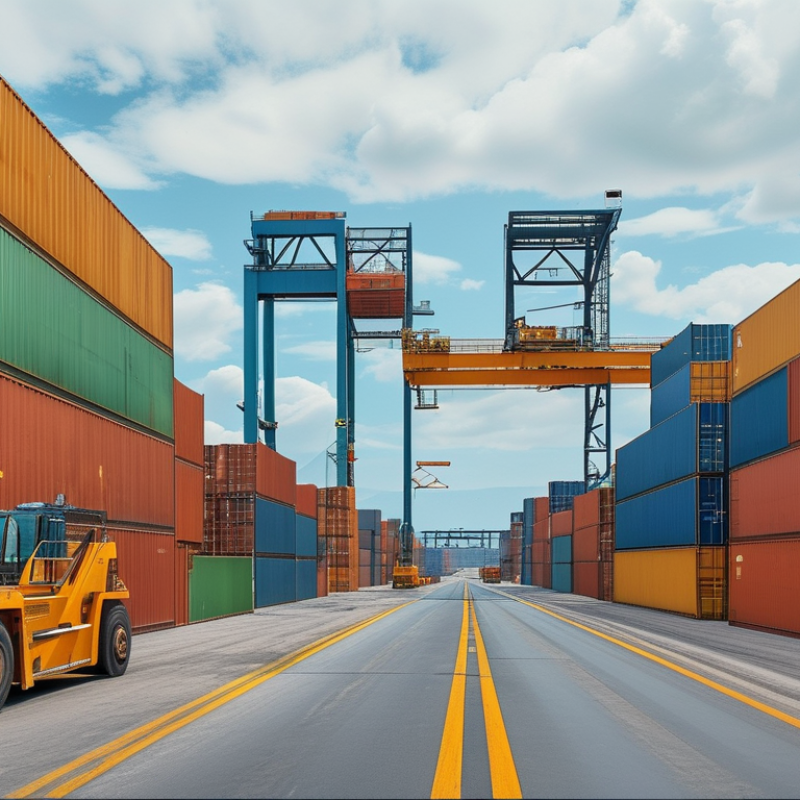
Logistics visibility is crucial in today's interconnected world. It refers to the ability to track and monitor goods throughout the supply chain. For global buyers, understanding this concept can enhance operational efficiency. This visibility allows businesses to make informed decisions quickly. When they know where their products are, they can reduce delays and manage inventory better.
In an age where speed matters, logistics visibility offers a competitive edge. Real-time tracking systems provide immediate updates. If a shipment is delayed, they can adjust plans without disrupting the entire operation. However, some companies struggle to integrate new technologies. They may find themselves reliant on outdated systems, which can hinder growth. Investing in visibility solutions can be challenging, yet the potential benefits outweigh the costs.
Moreover, transparency promotes better relationships with suppliers and customers. Clear communication builds trust. Buyers can reassure partners about shipment statuses. On the flip side, inadequate visibility can lead to miscommunication. Discrepancies in delivery times can damage reputations. Therefore, embracing logistics visibility may not just be an option; it could be essential for survival in the modern marketplace.
In the realm of global trade, logistics visibility plays a pivotal role in enhancing supply chain efficiency. It encompasses the ability to track goods from origin to destination in real-time. When buyers have access to this information, they can better manage their inventory levels and respond swiftly to demand fluctuations. Visualizing the entire supply chain allows easier identification of bottlenecks, which is crucial for timely decision-making.
Enhanced tracking tools provide insights that facilitate proactive communication. For instance, knowing the exact location of shipments can prevent misunderstandings with suppliers and customers. However, this visibility isn't without its challenges. With an abundance of data, companies risk overwhelming their teams. They must filter and interpret this information effectively to avoid decision fatigue.
Investment in advanced tracking technologies can yield significant returns but may not guarantee immediate improvements. The learning curve associated with new systems can lead to temporary setbacks. Organizations must balance the adoption of innovative processes while addressing operational hiccups. This reflection is vital for long-term success, as it ensures that benefits are maximized over time.
In today's fast-paced global market, real-time data access plays a crucial role in logistics visibility. With the right technology in place, buyers can track shipments and monitor inventory levels instantly. This capability can be the difference between seizing opportunities or missing them. For example, access to live shipping data allows for timely adjustments to delivery schedules, reducing delays and increasing customer satisfaction.
Moreover, real-time data access helps in identifying potential issues before they escalate. A sudden weather change can disrupt transport routes, but with up-to-date information, buyers can reroute shipments proactively. The visibility provided by real-time data also enhances communication across the supply chain. Teams can collaborate more effectively, reducing misunderstandings and improving operational efficiency.
However, not every organization fully leverages these tools. Some may struggle with integrating new technologies or training staff. It's essential to reflect on these challenges. Embracing real-time data requires a mindset shift and a commitment to continuous improvement. As more companies realize the benefits, the importance of logistics visibility will only grow.
Logistics visibility plays a crucial role for global buyers. It significantly enhances the ability to identify issues before they escalate. With real-time tracking, buyers can pinpoint delays and disruptions quickly. This proactive approach allows teams to address problems swiftly, minimizing impact on operations. Strong visibility reduces uncertainty. When buyers have relevant data, they can make informed decisions.
Fostering transparency involves collaboration among stakeholders. Clear communication between suppliers and logistics teams is essential. When issues arise, people must respond immediately. Sometimes, delays happen due to unforeseen factors. An effective visibility system helps mitigate these risks. By anticipating problems, buyers can strategize and adjust plans accordingly.
However, achieving complete visibility isn't always easy. Some sources of information may remain unclear. Integration of systems can introduce complications, leading to potential miscommunication. A balance needs to be struck between technology reliance and human oversight. Continuous evaluation of logistics processes is essential. This reflection helps to improve systems and address vulnerabilities.
In today's global marketplace, logistics visibility plays a crucial role in building trust and transparency between partners. Good communication is the backbone of any successful relationship. When buyers and suppliers have real-time access to shipment information, it fosters collaboration. Knowing where goods are at any time reduces anxiety. It also eliminates surprises that can disrupt operations.
Transparency enhances accountability among partners. When each side can monitor progress, they are more likely to honor commitments. For instance, if delays occur, both parties can discuss solutions promptly. This clear line of sight helps to address potential issues before they escalate. However, some companies still struggle with sharing information openly. They fear it may expose weaknesses or lead to misunderstandings. The truth is, fostering a culture of transparency strengthens relationships.
Investing in logistics visibility tools comes with challenges. Not all systems are user-friendly or integrated. Companies may face resistance internally. Employees must adapt to new technologies and processes. Building trust requires consistency. When partners commit to transparency, they pave the way for long-lasting relationships. Trust opens doors to new opportunities and improves overall efficiency.
| Benefit | Description | Impact |
|---|---|---|
| Enhanced Tracking | Real-time tracking of shipments provides buyers with accurate delivery updates. | Increased customer satisfaction with timely information. |
| Improved Communication | Streamlined communication channels among supply chain partners. | Reduced misunderstandings and delays in the process. |
| Cost Efficiency | Visibility can identify inefficiencies leading to cost savings. | Reduced operational costs through effective resource management. |
| Risk Management | Proactive identification of potential disruptions in the supply chain. | Minimized risks leading to smoother operations. |
| Better Planning | Accurate data helps in forecasting demand and inventory needs. | Optimized inventory levels and reduced stockouts. |
| Increased Accountability | Clear visibility allows for ownership of responsibilities in the supply chain. | Higher trust among partners and improved performance. |
| Enhanced Customer Service | Immediate access to information leads to quicker response to customer inquiries. | Improved customer relations and loyalty. |
| Sustainability | Data visibility supports eco-friendly practices by optimizing routes and reducing waste. | Enhanced corporate responsibility and market competitiveness. |
| Flexibility | Visibility allows for rapid adjustments to changing market conditions. | Adaptability in operations leading to better market responsiveness. |
| Competitive Advantage | Companies with visibility can react faster and serve customers better than competitors. | Stronger market position and increased share. |
: Logistics visibility refers to tracking and monitoring products throughout the supply chain.
It enhances operational efficiency and helps businesses make informed decisions quickly.
It allows clear communication about shipment statuses, building trust between partners.
Real-time tracking provides immediate updates and allows adjustments to plans when delays occur.
Companies may struggle to integrate new technologies and may rely on outdated systems.
Transparency fosters collaboration and accountability, reducing anxiety over potential delays.
Companies need to evaluate user-friendliness and integration of new systems, addressing employee resistance.
Yes, proactive issue resolution helps identify delays early, mitigating their impact on operations.
A balance between technology and human oversight is essential to ensure effective communication.
Committing to transparency and consistent communication strengthens relationships and improves efficiency.
Logistics visibility is a crucial element for global buyers, enhancing supply chain efficiency and enabling better tracking of goods. By providing real-time data access, logistics visibility empowers stakeholders to make informed decisions, reducing delays and improving operational effectiveness. This transparency not only streamlines processes but also fosters collaboration among global partners, building trust in the supply chain.
Moreover, logistics visibility plays a vital role in risk mitigation by allowing businesses to proactively identify and resolve potential issues before they escalate. With improved insight and oversight, companies can navigate challenges more effectively, ensuring smoother operations in an ever-complex global market. Overall, the benefits of logistics visibility are integral for driving success and agility in supply chain management.

Trackingeyes